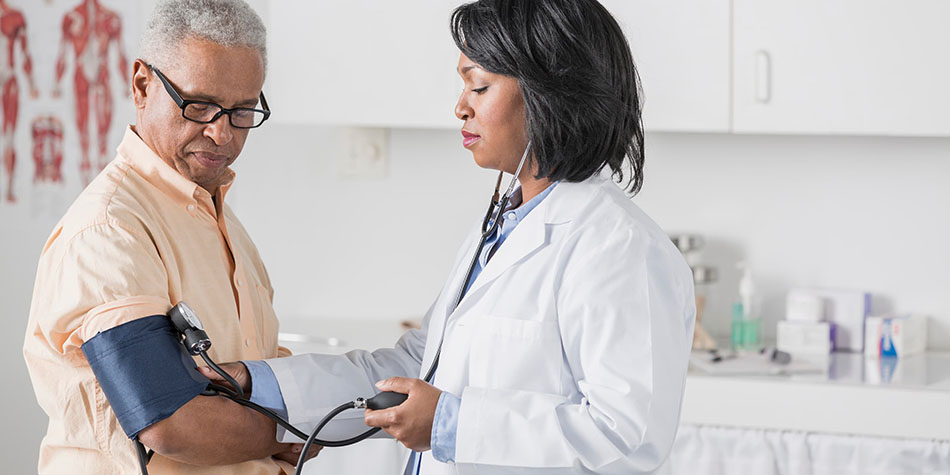
Because high blood pressure often has no symptoms, regular blood pressure checks can help you and your doctor identify concerns early.
Would you know if your blood pressure was too high?
For many people, the answer is no. High blood pressure, also called hypertension, is common and usually develops without obvious symptoms. Many people have it and don't know it. You may feel perfectly healthy while your heart and blood vessels are managing additional strain from elevated blood pressure.
That makes knowing your blood pressure numbers more important than waiting for your body to tell you something is wrong. While certain symptoms can occur when blood pressure becomes dangerously high, regular blood pressure checks are the best way to identify hypertension early.
Why high blood pressure can be difficult to spot
High blood pressure is sometimes called the “silent killer” because it usually doesn't cause obvious symptoms. Blood pressure measures the force of blood pushing against the walls of your arteries. When that pressure remains too high over time, it can damage blood vessels and make the heart work harder. Untreated hypertension can increase your risk of serious health problems, including heart disease and stroke.
Because you may feel perfectly well even when your blood pressure is high, symptoms like headaches or dizziness shouldn't be your cue to get checked. Regular blood pressure checks can help you and your doctor identify potential concerns before complications develop.
When high blood pressure may cause symptoms
Symptoms may occur when blood pressure becomes dangerously high. These can include:
- Severe headaches: Headaches aren't a reliable sign of high blood pressure, but a severe headache can occur when blood pressure is dangerously high.
- Vision changes: Severely elevated blood pressure can affect the eyes and may cause blurred vision or other sudden changes in eyesight.
- Shortness of breath: Difficulty breathing can occur during a hypertensive emergency, but it can also be a sign of other serious medical conditions.
- Chest pain: Chest pain can occur during a hypertensive emergency and may also signal a heart attack or another serious condition.
- Confusion or other neurological changes: Sudden confusion, weakness, numbness, difficulty speaking or other neurological symptoms can indicate a medical emergency.
These symptoms can have many causes and don't necessarily mean you have high blood pressure. The only way to know whether your blood pressure is elevated is to measure it.
Know your risk for high blood pressure
Because high blood pressure usually doesn't cause noticeable symptoms, knowing your risk factors is another reason to have your blood pressure checked regularly.
According to the Centers for Disease Control and Prevention (CDC), some medical conditions and lifestyle choices can increase your risk for high blood pressure, including:
- Being overweight
- Diabetes
- Diet too high in sodium and too low in potassium
- Drinking too much alcohol
- Physical inactivity
- Tobacco use
Other factors beyond your control, such as your age, race and ethnicity, may also influence your risk of developing high blood pressure. Having one or more risk factors doesn't mean you'll develop hypertension, but it does make regular screening especially important.
When is high blood pressure an emergency?
Knowing when to seek immediate medical care is important.
According to the American Heart Association (AHA), if you get a blood pressure reading higher than 180/120 mm Hg, wait at least one minute and take your blood pressure again.
If your second reading remains above 180/120 mm Hg and you have symptoms such as chest pain, shortness of breath, vision changes, weakness, numbness or difficulty speaking, call 911. Do not wait for your blood pressure to come down on its own.
If your blood pressure remains higher than 180/120 mm Hg but you don't have these or other new concerning symptoms, reach out to your doctor for guidance.
Blood pressure concerns during pregnancy require additional consideration. If you're pregnant or recently gave birth and are concerned about your blood pressure, contact your doctor immediately.
Everyday steps that support healthy blood pressure
The AHA recommends healthy lifestyle habits as an important part of preventing and managing high blood pressure.
Depending on your health and blood pressure, your doctor may recommend:
- Eating a well-balanced diet
- Getting adequate sleep
- Enjoying regular physical activity
- Limiting or avoiding alcohol
- Reaching and maintaining a healthy weight
- Managing stress
- Quitting smoking
- Taking prescribed blood pressure medication as directed
Take the next step for your heart health
Knowing your blood pressure numbers is an important part of protecting your cardiovascular health. Talk with your doctor about what your readings mean for you and whether lifestyle changes, ongoing monitoring or medication may be appropriate.
While high blood pressure typically requires ongoing management, healthy lifestyle changes and taking medications as prescribed can help keep it under control. Managing your blood pressure can also lower your risk of serious health problems, including heart disease, stroke and kidney disease.
Talk to a licensed nurse anytime
Our Consult-A-Nurse® line is here for you, whether you have a simple question or a more serious health concern. Get advice you can trust directly from experienced, licensed nurses. Call (844) 70-NURSE anytime, day or night for answers, advice and peace of mind.
$webqFacilityNumber
Need a Physician?