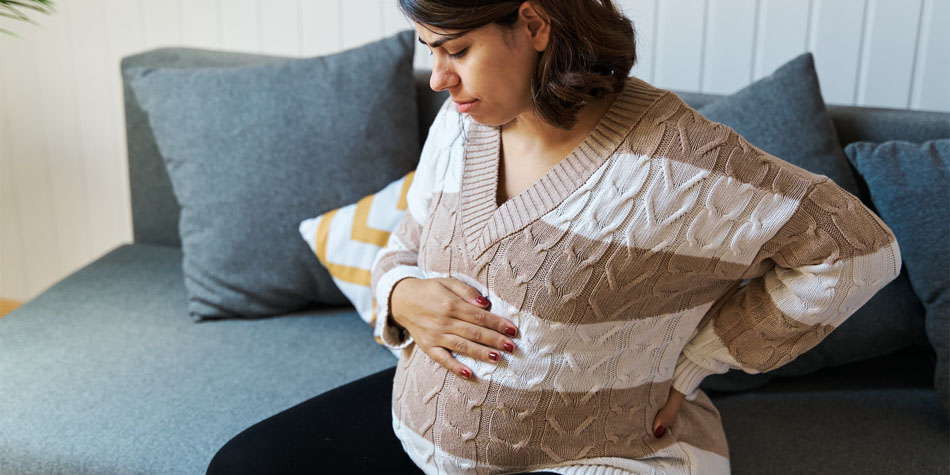
Gentle stretches can help relieve back pain for pregnant women.
Pregnancy is an exciting time that you want to savor and enjoy, but back and pelvic pain can really get in the way. It's reported that between 50% and 70% of women experience back pain during pregnancy, according to the American Pregnancy Association. But some simple solutions, including gentle stretches, can relieve back and pelvic pain during pregnancy and get you back to feeling like yourself.
What causes pregnancy back pain?
During pregnancy, the body undergoes a variety of changes to accommodate the growing fetus and prepare for childbirth. Many of these changes, reports the National Library of Medicine, can contribute to back pain:
- Pelvic ligaments that soften and loosen to prepare the body for childbirth
- Normal weight gain associated with pregnancy (the Centers for Disease Control and Prevention reports usually 25 to 35 pounds)
- A change in your center of gravity as the baby in your uterus grows
The good news is that exercise can help during pregnancy by strengthening and stretching muscles — and by improving fitness, promoting healthy weight gain and managing stress, according to the American College of Obstetricians and Gynecologists. According to the Office on Women’s Health, getting regular exercise during pregnancy also reduces the risk of gestational diabetes, preeclampsia, preterm delivery and postpartum depression. Most healthcare providers recommend 30 minutes of moderate-intensity exercise five days a week. This can include walking, swimming, yoga or low-impact aerobics.
When to see a doctor
Back pain during pregnancy can occasionally be a symptom of a more serious condition. Seek care right away if back pain comes suddenly or is accompanied by bleeding, fever, cramping or burning during urination.
Stretches for pregnancy pelvic pain
Some types of yoga and special stretches for pelvic pain during pregnancy can help strengthen and lengthen muscles and relieve back pain. Take it slowly with just a few of each at first. Listen to your body so you don't overdo it, and if you haven't exercised before, it's a good idea to check with your doctor before proceeding. Here are a few to try:
Cat/cow stretches
This exercise can increase flexibility and relieve tension in the back. It's a great way to prepare for or recover from your day.
- Start on your hands and knees ("tabletop") on a yoga mat or other padded surface.
- Line up your hands with your shoulders, your knees with your hips and your neck with your spine.
- Inhale and slowly lift the chest and tailbone upward to tilt the pelvis and create a gentle curve of the back.
- Exhale and move the hips and tailbone down while rounding the back. Keep the neck in line with the spine.
- Repeat slowly and gently, paying attention to how your body feels as it moves through the poses.
- Start with five repetitions and increase to 10 over time.
Shoulder stretches
- This exercise helps stretch out back muscles, improve posture and relieve back pain.
- Kneel on the floor with your forearms on the seat of a chair and your hips above your knees. Keep your head in line with your arms and look down at the floor. (Just doing this can help relieve upper back pain.)
- To get more of a stretch in your lower back, move your buttocks toward your heels. Stay in that position for a few seconds.
- Repeat five to 10 times.
Pelvic floor exercises
Pelvic floor exercises help strengthen the muscles at the base of the pelvis that support the uterus, vagina, bladder and bowels. Having a strong pelvic floor helps support your back during pregnancy and helps prevent urinary leakage and other symptoms that can continue beyond pregnancy or because of pregnancy. To do this exercise correctly, try not to tighten your buttocks, thighs or abdominal muscles — focus on using the pelvic muscles only.
- Locate the pelvic floor muscles by squeezing the area around the anus and vagina — as if you were trying to stop yourself from urinating. You should feel the muscles lift inside you.
- Hold for a few seconds, then relax.
Repeat several times.
Leg raises
Sit-ups and some other abdominal exercises are often not recommended during pregnancy, but it's still important to keep your abdominal muscles strong. Leg raises are a way to do this without squeezing the abdomen. You can do these seated or from the tabletop position.
Seated version:
- Sit on the edge of a firm chair with your feet flat on the ground.
- Lift one leg and straighten it in front of you. Hold it for a few seconds, then return it to the floor.
- Lift the other leg and hold it.
- Repeat on each leg five to 10 times.
Tabletop version:
- Start on all fours, then straighten one leg behind you and lift it up so it's parallel to the floor.
- Hold that position, then place the knee back on the floor.
- Repeat on the other side, working up to five to 10 repetitions on each side.
Reducing pain during the day
Even when you can't take the time to stretch or exercise, you can prevent or relieve back pain as you go about your day.
- Stand (and sit) proud: Be aware of your posture by standing up straight and relaxing your shoulders back and down. Keep your knees slightly bent and loose (rather than straight and locked). If you must stand for a long time, elevate one foot on a step stool to relieve pressure. When sitting, use a small pillow or supportive chair to protect your back.
- Dress for success: Choose comfortable, supportive clothing and shoes with low heels. Some people benefit from a maternity belt or "belly band" that supports the abdomen during pregnancy. Sleeping on your side with a pillow between your legs can help relieve strain and let you get the rest you need.
Feeling your best for what's next
Exercising and stretching for pregnancy pelvic pain not only help you stay active and enjoy your pregnancy, but they also help prepare you for what's next: caring for your baby. Regular exercise helps improve mood, boosts energy and prevents chronic conditions such as hypertension, diabetes, obesity and heart disease. Creating healthy habits now helps set your growing family on a path to optimal health.
$webqFacilityNumber
Need a Physician?